Mempool: the queue of pending transactions
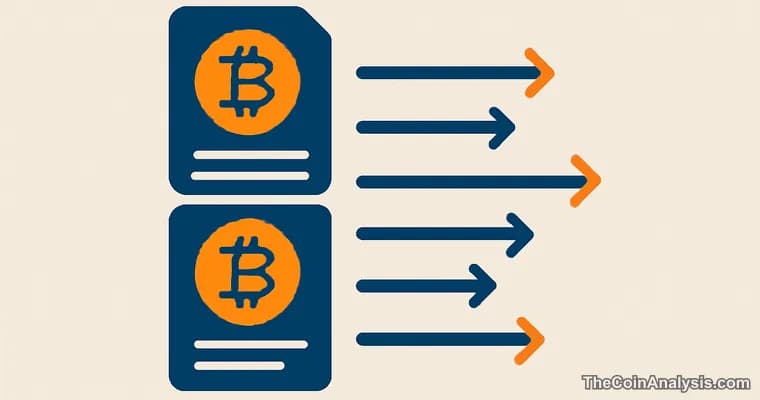
The Waiting Room of a Blockchain
The mempool—short for memory pool—is the collection of valid but not-yet-confirmed transactions held by each node on the network. When you broadcast a transaction, it does not go directly into a block. It first sits in the mempool until a miner or validator selects it and includes it in the next block they produce.
Each node maintains its own mempool, and while they tend to look similar, they are not perfectly identical because transactions reach different nodes at slightly different times. Miners typically prioritize transactions that pay the highest fee per unit of block space. During congested periods, low-fee transactions can sit in the mempool for hours or even days before being included or eventually dropped.
Watching the mempool is the best way to estimate gas fees or Bitcoin transaction fees in real time. Many wallets pull live mempool data to recommend a fee that gets the next block, a fee that confirms within an hour, and a slow fee that may confirm overnight. When the mempool empties, fees collapse; when a popular mint or token launch floods it, fees spike sharply.
How the Mempool Works Across Different Blockchains
While the concept of a mempool exists in most blockchains, its implementation can vary depending on the network’s design. In Bitcoin, the mempool holds unspent transaction outputs (UTXOs) waiting to be confirmed, and miners select transactions based on their fee rate relative to the transaction size in bytes. Ethereum’s mempool, by contrast, deals with account-based transactions and gas fees, where validators prioritize transactions by gas price and gas limit.
The mempool is a dynamic environment. Transactions enter it as users broadcast them and leave it either when included in a block or when dropped due to expiration or replacement by a higher-fee transaction. Some blockchains have mechanisms to replace or cancel transactions still in the mempool, such as Ethereum’s "replace-by-fee" feature, which allows users to speed up confirmation by submitting a new transaction with a higher gas fee.
Because each node maintains its own mempool, discrepancies can occur. For example, a node that receives a transaction earlier will include it in its mempool sooner, while another node may not see it until later. This can lead to temporary differences in mempool size and composition across the network, but consensus ensures that only transactions included in blocks become part of the canonical blockchain.
Why Mempool Size Influences Transaction Fees
The mempool acts as a queue, and its size reflects network demand. When the mempool is small, there is little competition among transactions to be included in the next block, so fees tend to be low. Conversely, when the mempool grows large—often during periods of high activity such as popular token launches, NFT drops, or market volatility—competition intensifies, and users must pay higher fees to incentivize miners or validators to prioritize their transactions.
Miners and validators have limited block space or gas limits, so they cannot include all pending transactions. They select transactions offering the best fee per unit of block resource, maximizing their rewards. This economic incentive drives fee markets and explains why transaction fees fluctuate with mempool congestion.
For users, understanding mempool size and fee dynamics helps optimize transaction timing and cost. Many wallets and fee estimation tools analyze mempool data to suggest appropriate fees for different confirmation speeds, balancing cost against urgency. This is especially important in networks like Ethereum, where gas fees can become prohibitively expensive during peak usage.
Common Misconceptions About the Mempool
A frequent misconception is that the mempool is a single, universal queue shared across the entire network. In reality, each node maintains its own mempool, which means the mempool is a distributed and decentralized data structure rather than a centralized waiting list. This decentralization contributes to network resilience but also means that mempool sizes and contents can vary slightly from node to node.
Another misunderstanding is that transactions in the mempool are guaranteed to be confirmed. In fact, transactions with very low fees may remain in the mempool indefinitely or be dropped after a timeout period, depending on the node’s policies. Users must therefore consider fee levels carefully to avoid their transactions being stuck or dropped.
Additionally, some users confuse the mempool with the blockchain itself. The mempool contains only unconfirmed transactions, while the blockchain is the permanent ledger of confirmed transactions. Only after a transaction is included in a block and that block is added to the blockchain does the transaction become irreversible and part of the official record.
Mempool Monitoring and Its Role in Network Health
Monitoring the mempool is an essential tool for network participants, developers, and analysts. It provides real-time insight into network congestion, fee trends, and transaction throughput. Exchanges and decentralized applications often track mempool status to optimize user experience, adjusting fee recommendations or transaction batching accordingly.
For miners and validators, mempool management is a key part of their operation. Efficiently selecting transactions from the mempool maximizes revenue and helps maintain network performance. Some advanced mining software includes mempool prioritization algorithms that consider factors beyond fees, such as transaction age or dependencies.
Finally, mempool data can be useful for detecting unusual activity, such as spam attacks or sudden surges in transaction volume. By analyzing mempool patterns, network participants can better understand the underlying causes of congestion and anticipate fee spikes or delays. This makes the mempool a vital component in the broader ecosystem of blockchain infrastructure and user experience.