Lending protocol: borrowing and lending on-chain
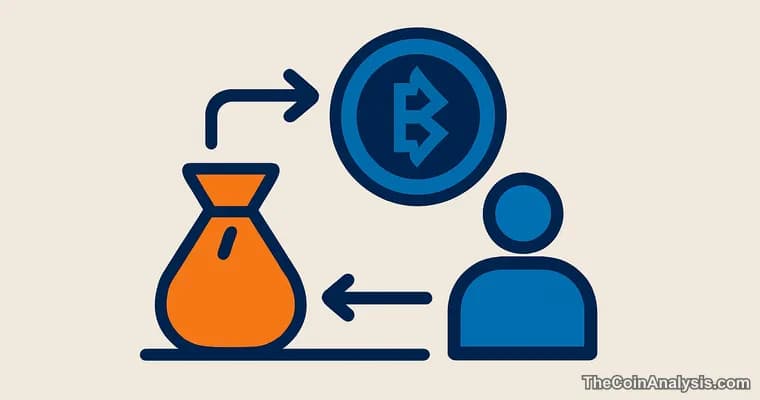
How On-Chain Credit Markets Work
A lending protocol is a smart contract that lets users deposit assets to earn interest and lets other users borrow against collateral they post. Aave, Compound, Spark, and Morpho are leading examples. There are no banks, no credit scores, and no application processes—the protocol handles matching, interest rates, and collateral management algorithmically.
Loans are overcollateralized. To borrow $100 in stablecoins, you might post $150 worth of ETH. This buffer protects lenders against price volatility: if your collateral falls in value past a defined ratio, the protocol automatically sells (liquidates) part of it to repay the loan. Interest rates float continuously based on utilization—when a high share of a pool is borrowed, rates rise to attract more deposits and discourage further borrowing.
The use cases are varied. Borrowers can access leverage, avoid tax events by borrowing against rather than selling, or short an asset by borrowing and immediately selling it. Lenders earn yield on idle holdings, often higher than centralized alternatives. Sophisticated users loop deposits and borrows to amplify exposure. The main risks are smart contract failure, oracle manipulation, liquidation cascades during sharp price moves, and depeg events when stablecoin collateral wobbles.
Core Components of Lending Protocols
At the heart of every lending protocol is a liquidity pool where users deposit their crypto assets. These pools aggregate funds that borrowers can draw from, while lenders earn interest proportional to their share of the pool. The protocol’s smart contracts enforce rules around collateralization, interest calculations, and liquidations without human intervention.
Collateral management is critical. Since loans are overcollateralized, the protocol continuously monitors the value of posted collateral using price feeds from oracles. If the collateral value drops below a maintenance threshold, the protocol triggers liquidations to protect lenders. Liquidators—third-party actors or bots—purchase discounted collateral to repay the outstanding loan, ensuring the system remains solvent.
Interest rates are algorithmically determined based on supply and demand dynamics within each asset pool. When borrowing demand rises and utilization increases, interest rates climb to incentivize more deposits and temper borrowing. Conversely, if utilization is low, rates fall to encourage borrowing. This dynamic pricing mechanism helps maintain balance and liquidity across the protocol.
Practical Uses and Strategies
Borrowers use lending protocols for various reasons beyond simple access to funds. One common strategy is to leverage positions by borrowing against deposited collateral to buy more of the same asset, amplifying potential gains or losses. This practice, often called “leveraging,” can increase exposure but also heightens liquidation risk during market downturns.
Another advantage is tax efficiency. Instead of selling assets and triggering taxable events, users can borrow stablecoins or other tokens against their holdings to access liquidity without realizing capital gains. This approach is especially popular in jurisdictions with complex tax rules on crypto sales.
Lending protocols also enable short selling. Traders borrow an asset, sell it immediately, and aim to buy it back later at a lower price to repay the loan, profiting from the price decline. This is a decentralized alternative to traditional shorting methods, accessible without intermediaries or margin accounts.
Risks and Considerations
While lending protocols offer many benefits, they come with inherent risks. The most significant is smart contract risk—bugs or vulnerabilities in the code could lead to loss of funds. Audits and formal verification help reduce this risk, but it cannot be eliminated entirely.
Oracle manipulation is another concern. Lending protocols rely on external price feeds to value collateral and trigger liquidations. If an oracle is compromised or manipulated, it can cause incorrect liquidations or insolvencies. Decentralized oracle networks and multiple data sources help mitigate this risk.
Liquidation cascades can occur during sharp market downturns. When many borrowers’ collateral simultaneously falls below thresholds, mass liquidations can flood the market with assets, causing further price drops and additional liquidations. This feedback loop can amplify losses for borrowers and lenders alike.
Stablecoin collateral introduces unique risks related to depegging. If a stablecoin used as collateral loses its peg to the underlying fiat currency, its value can drop suddenly, triggering unexpected liquidations and losses. Protocols often limit exposure to single stablecoins or diversify collateral types to manage this risk.
Comparisons and Emerging Trends
Compared to traditional finance, lending protocols operate without intermediaries, enabling permissionless access and global participation. However, the lack of credit scoring means loans are always overcollateralized, limiting borrowing capacity but enhancing security. This contrasts with centralized lending platforms that may offer unsecured or undercollateralized loans based on creditworthiness.
New developments in lending protocols include cross-chain lending, where users can deposit collateral on one blockchain and borrow assets on another, facilitated by cross-chain bridges. Additionally, composability with other decentralized finance (DeFi) applications allows users to combine lending with yield farming or automated trading strategies, enhancing capital efficiency.
Flash loans are another innovation related to lending protocols. These are uncollateralized loans that must be repaid within a single transaction block, enabling complex arbitrage and liquidation strategies without upfront capital. While powerful, flash loans also introduce new attack vectors and require careful protocol design to prevent exploits.