
Ethics Provisions Stall Crypto Progress
The Digital Asset Market Clarity Act, designed to bring order to U.S. crypto regulation, has been repeatedly stalled by disputes over ethics rules for federal officials.
On Wednesday, Senate Majority Leader John Thune confirmed that the Clarity Act would not see a vote before the August recess, which starts in just seven days. This delay is compounded by law enforcement organizations such as the National Association of Assistant US Attorneys requesting changes to ensure that developer guidelines do not expand criminal liability—an issue that remains unresolved as the legislative window narrows.
Sen. Ruben Gallego criticized the Republican response to the bill, calling it “not a serious effort” during a committee exchange last week.
Senate Gridlock Clouds Industry Roadmap
Negotiations remain deadlocked on several critical points beyond ethics: enforcement standards, DeFi (decentralized finance) oversight, stablecoin yield rules, and anti-money laundering provisions all lack consensus. The Senate has prioritized other legislation ahead of the Clarity Act before its summer break, leaving little time for resolution. As of now, prediction markets assign only a 37% probability to the bill passing before year-end. JPMorgan analysts have called this legislative inertia a setback for crypto markets, noting that institutional players are waiting for regulatory clarity before making significant moves.
For developers and exchanges hoping for progress in 2024, the current gridlock signals more uncertainty.
Election Timeline Pushes Bill to 2029
The upcoming U.S. elections are shaping the fate of crypto legislation in a concrete way. According to coindesk.com, if Democrats win control of either chamber in November’s vote, there will be no Clarity Act or similar bill before 2029 at the earliest—a five-year delay. This timeline was confirmed by Senator Thune’s statement that nothing will move forward until after September unless there is an unexpected breakthrough.
The protracted timeline has also been exacerbated by leadership gaps at both major regulatory agencies: currently, there is only one chair at the Commodity Futures Trading Commission (CFTC) and three sitting commissioners at the Securities and Exchange Commission (SEC). With both agencies understaffed and Congress deadlocked, any new regulatory regime appears far off.
See Also
Institutional Hopes Dim Amid Legislative Delay
On paper, the Clarity Act offers a structured approach: it divides digital assets into three categories—“digital commodity,” “network token,” and “ancillary asset”—and proposes tailored exemptions for U.S.-organized token originators subject to specific limits and disclosures. However, without passage this year, these definitions remain theoretical rather than actionable. Notably, Regulation Crypto under this act does not grant special federal tax treatment for token sales—a detail important to institutional investors considering large-scale entry.
JPMorgan highlighted that a predictable framework may push banks, custodians, and market makers to increase their involvement in U.S.-regulated crypto trading. The bank pointed to Citadel Securities’ $400 million investment in Crypto.com and recent CFTC approval of perpetual crypto futures contracts as signs of growing institutional interest—yet these advances may stall without legislative backing.
Why it matters: Practical Impact on Crypto Markets
The fading odds of passage have already affected market sentiment. JPMorgan noted that delays are weighing on prices across major tokens as traders adjust expectations for near-term regulatory clarity. 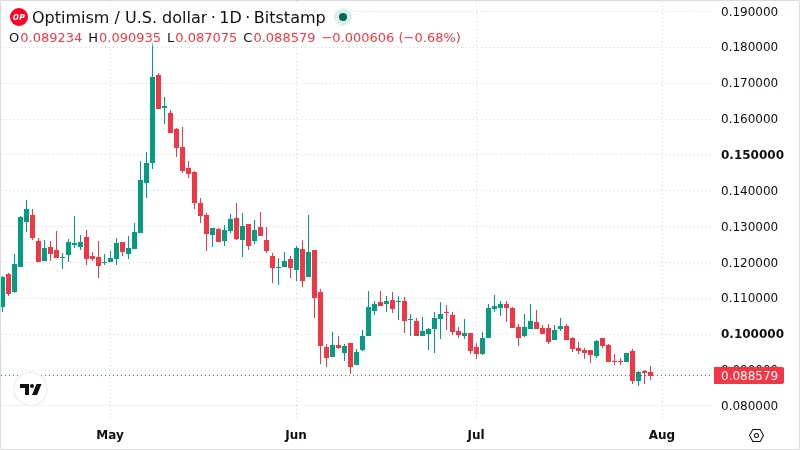
It’s unclear how quickly Congress can resolve these issues given ongoing disputes over criminal liability for developers and enforcement priorities within decentralized projects. For now, institutions remain cautious—Jefferies warns that even after clearing committee hurdles, significant obstacles remain before any vote can occur.
Signals yet to emerge
If Senate Majority Leader John Thune does not schedule a vote on the Clarity Act before the Senate's August recess begins in seven days, the bill will not advance until at least mid-September, and its prospects for passage this year remain unclear with prediction markets assigning only a 37% chance of success before year-end.