
From $2.3B Locked to Shutdown
Ethereum layer-2 network Blast, once a high-profile project with over $2.3 billion in assets locked at its February 2024 mainnet debut, is shutting down less than a year after launch. The team behind NFT marketplace Blur created Blast, which attracted attention for its rapid capital inflow—over $1.1 billion was deposited even before the network went live. Despite this early momentum, Blast’s team announced on Friday that ongoing costs have surpassed what the chain earns, making continued operation economically unsustainable.
The shutdown marks a sharp reversal for a platform that distributed a $354 million BLAST token airdrop just this June and had the backing of major investors like Paradigm, which co-led a $20 million seed round. At its peak in June 2024, DeFi applications on Blast held more than $2.26 billion in total value locked (TVL), but by late September that figure had plummeted to around $32 million—a drop of over 98% in just a few months.
Users Face October 26 Withdrawal Deadline
Blast users now face an urgent timeline: all assets must be withdrawn back to Ethereum’s mainnet by October 26, 2024, if they wish to use the regular withdrawal interface. After that date, withdrawals will only be possible by interacting directly with Blast’s bridge contracts on Ethereum—a process that may be unfamiliar or intimidating to many retail users.
The team has also instructed users to move any balances held in Blast’s progressive web app (PWA) back to mainnet before the deadline. This requirement affects not only holders of ETH and BLAST tokens but also those who participated in DeFi protocols built atop Blast’s infrastructure.
Fast-Track Withdrawals, Then a Pause
To facilitate exits, Blast will temporarily reduce its withdrawal delay from several days down to just 24 hours—a significant change from typical layer-2 withdrawal wait times. However, there will be a one-week pause on withdrawals while the network pulls assets out of Lido, an Ethereum staking protocol where some funds are currently held. During this period, users will not be able to withdraw any assets.
After October 26, only direct contract interaction will enable withdrawals—a technical hurdle for many.
Paradigm-Backed Project Hits a Wall
Blast’s backing by prominent venture capital firms like Paradigm and Standard Crypto fueled expectations of long-term viability. The project raised $20 million in seed funding and quickly became one of the most talked-about new Ethereum scaling solutions when it launched deposits in November 2023. Yet despite these advantages and an initial BLAST token valuation near $2 billion in June 2024, the network could not generate enough revenue to cover its operating costs.
This tension between headline-grabbing TVL figures and underlying economic realities is stark: while investors poured in capital early on, revenue streams failed to keep pace with expenses such as validator incentives and infrastructure maintenance. According to decrypt.co, the team cited “costs exceeding earnings” as their primary reason for winding down operations.
Microcosm of Broader Market Pressures
Blast’s rapid rise and even faster contraction highlight broader challenges facing Ethereum scaling solutions. While the network once boasted billions in locked value and high-profile backers, its BLAST token price has collapsed—trading near $0.00028 at last check, down about 99% from its June high and shedding roughly 32% in just one day during September’s announcement. The token’s market cap is now approximately $20 million.
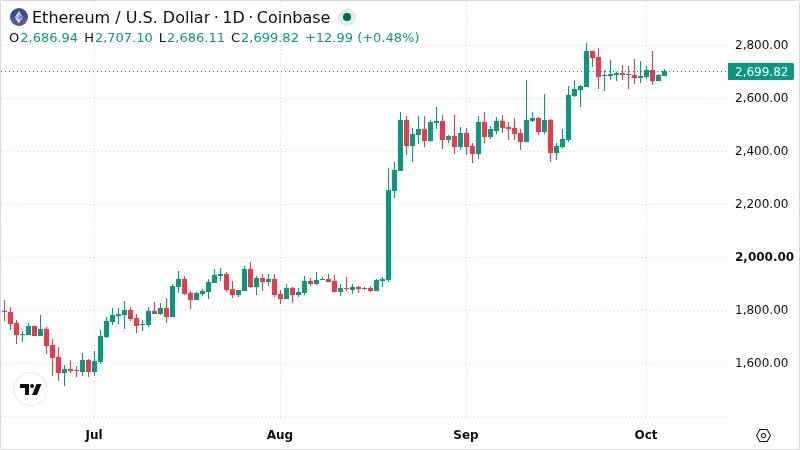
Meanwhile, Ethereum itself remains comparatively stable amid this turbulence. As of September 29, 2026, ETH trades at $2,655.32—flat over 24 hours but up slightly by 0.08% over the past month—and continues to hold its position as the second-largest crypto asset by market capitalization. That resilience stands in contrast to the volatility seen with smaller layer-2 tokens like BLAST.
Investors looking for yield or exposure via new L2 projects have faced tough lessons: headline numbers can mask sustainability issues lurking beneath the surface.
It remains uncertain whether other emerging layer-2 networks will encounter similar pressures as competition intensifies and user expectations shift toward long-term sustainability rather than short-lived incentives.
Factors that could still shift
If users fail to withdraw their assets from Blast's regular interface by the October 26, 2024 deadline, they will be required to interact directly with Blast’s bridge contracts on Ethereum for withdrawals, which could immediately impact user access and asset recovery.